Steel wire ropes in cranes, elevators, mines, cable cars, and offshore installations degrade from the inside — visual inspection sees barely 20% of the metallic cross-section. Magnetic Rope Testing (MRT) is the non-destructive method that evaluates the full cross-section over the full rope length, detecting broken wires, corrosion, wear, and loss of metallic area even under grease and protective coatings.
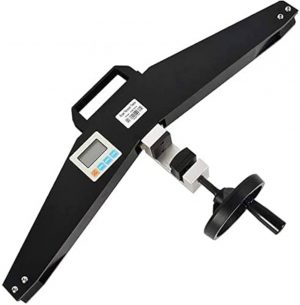
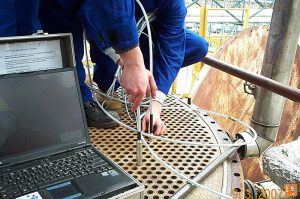
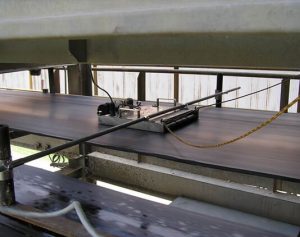
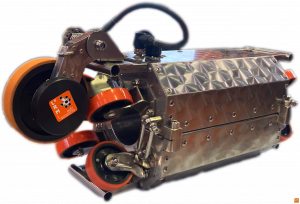
The LRM-XXI diagnostic system is a portable, handheld MRT instrument for wire ropes: dual LMA and LF sensors detect both distributed section loss from corrosion and wear and local damage such as broken wires and corrosion pitting. Results are quantitative — weak sections expressed as percentage loss of metallic area — reliable, accurate, and repeatable in harsh environments. Companion LRM-XXI systems cover steel tubes and conveyor belts, and the cable tension meter verifies rope tension during installation and maintenance.
For rope-dependent operations where failure means downtime or disaster — mining hoists, cranes, elevators, ropeways — MRT-based wire rope testing extends rope life, schedules replacements on condition rather than calendar, and documents safety compliance.